
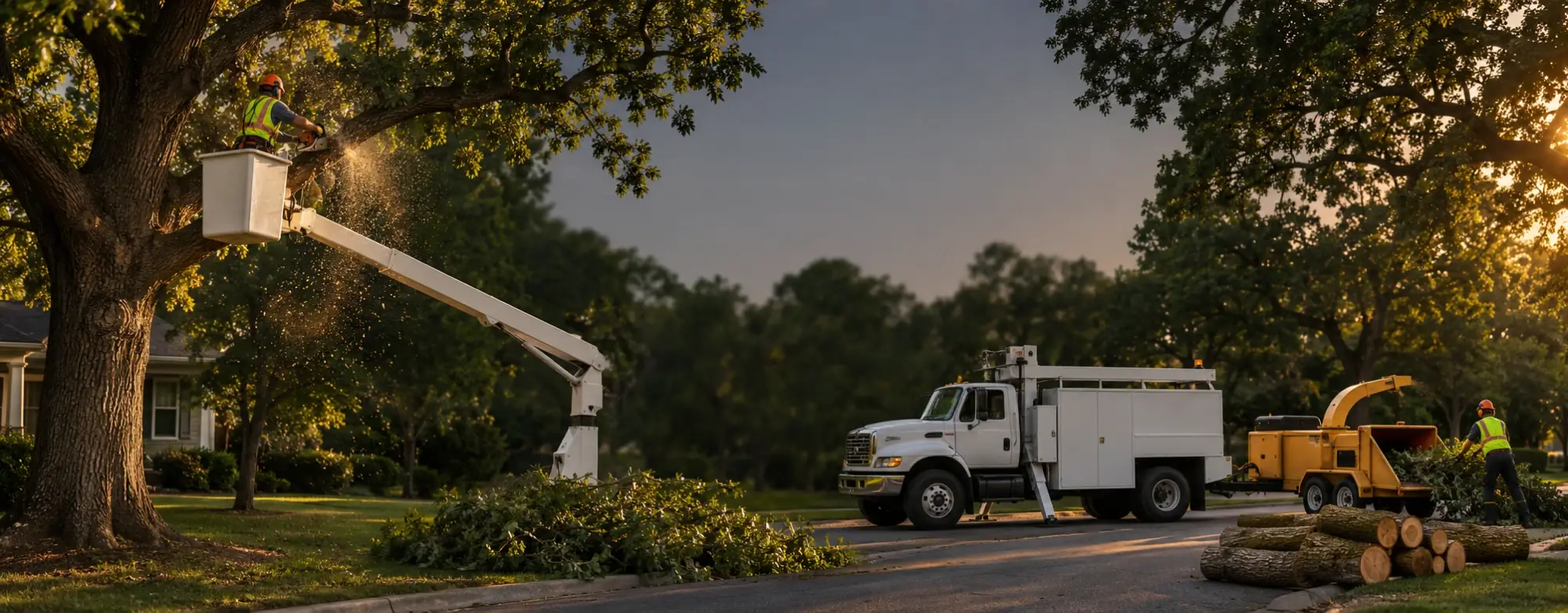

Heavy Snow
Wet snow piles onto the canopy until limbs and whole trees give way.

Storm and winter tree prep across Delaware: deadwood removal, limb reduction and cabling before wind, ice and wet snow arrive.
5.0 on GoogleAbout us
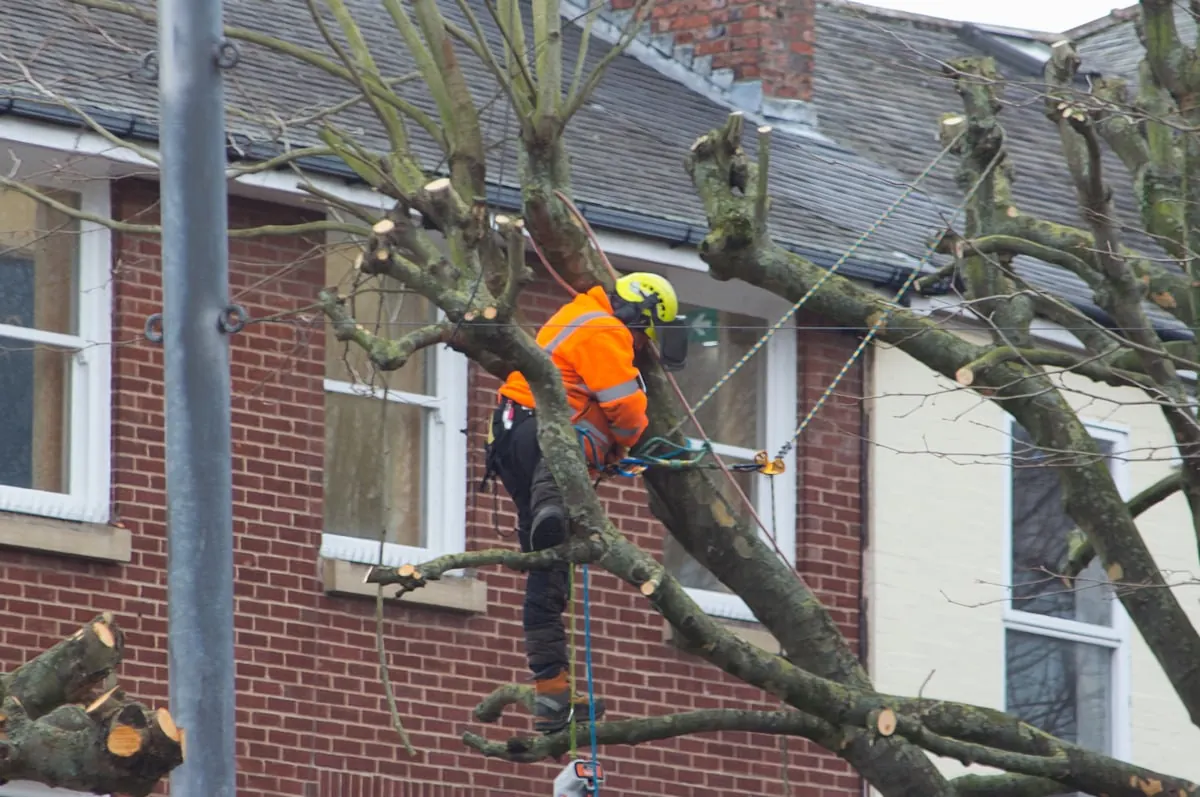
We get trees ready for storm season for homeowners, HOAs and businesses across Delaware. That means pruning out deadwood, reducing heavy limbs over roofs and driveways, and cabling weak unions before the wind, ice and wet snow arrive.
Our tree experts check which trees are most at risk and recommend only the work that makes a real difference. Our own insured crews do the pruning and cabling, and we schedule oaks in the dormant season to reduce the risk of oak wilt.
Learn More About Us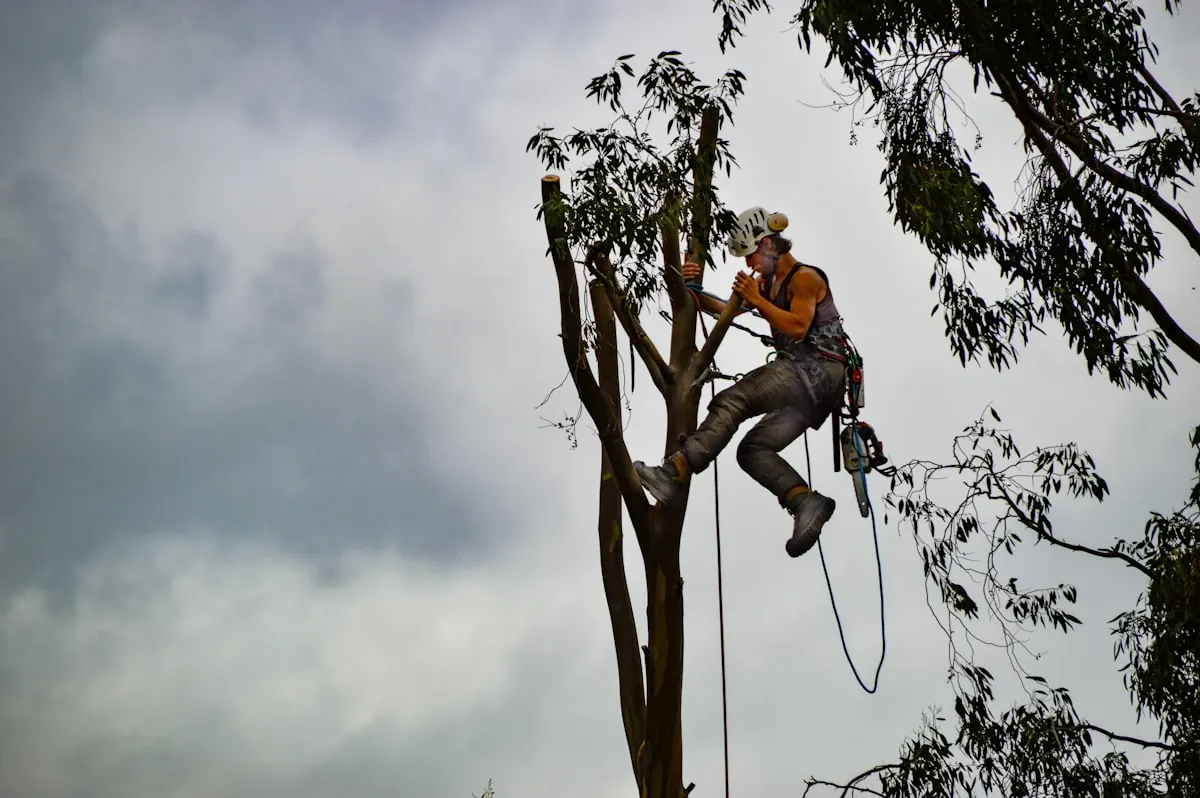
Ahead of the season
Pruning and cabling done ahead of storm and ice season, with oaks scheduled while dormant, helps keep a tree standing and heavy limbs off your roof and car.
Thinning and cabling before the season means less comes down when the storm hits.
Deadwood and weak limbs come out before winter wind and ice can bring them down.
Reducing limbs over roofs and driveways lowers the risk of them hitting your house or car.
Planned prep usually costs less than an emergency removal after a tree has already failed.
Clean pruning cuts close over better than ragged storm breaks.
A prepared canopy keeps walkways, play areas and beds safe all winter.
Check before winter
Walk your yard before the cold sets in. If you see any of these, it's worth having a tree expert take a look.
What we're up against
Delaware winters can bring snow, ice and saturated ground in the same season. These are the storm risks we plan for when we prepare your trees.
Wet snow piles onto the canopy until limbs and whole trees give way.
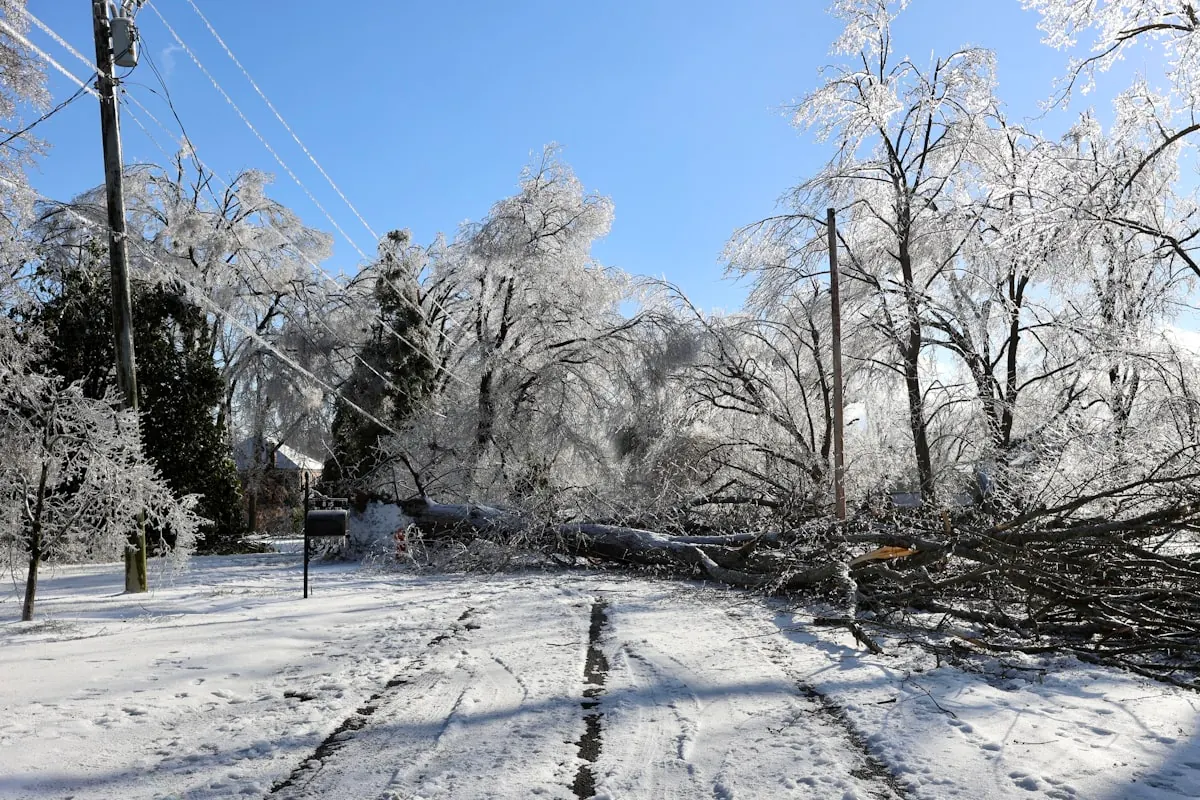
Ice and wind push heavy limbs into service lines. The utility clears the lines, and we prune back the rest of the tree.

Nor'easters and gusts test every weak union and root plate at once.
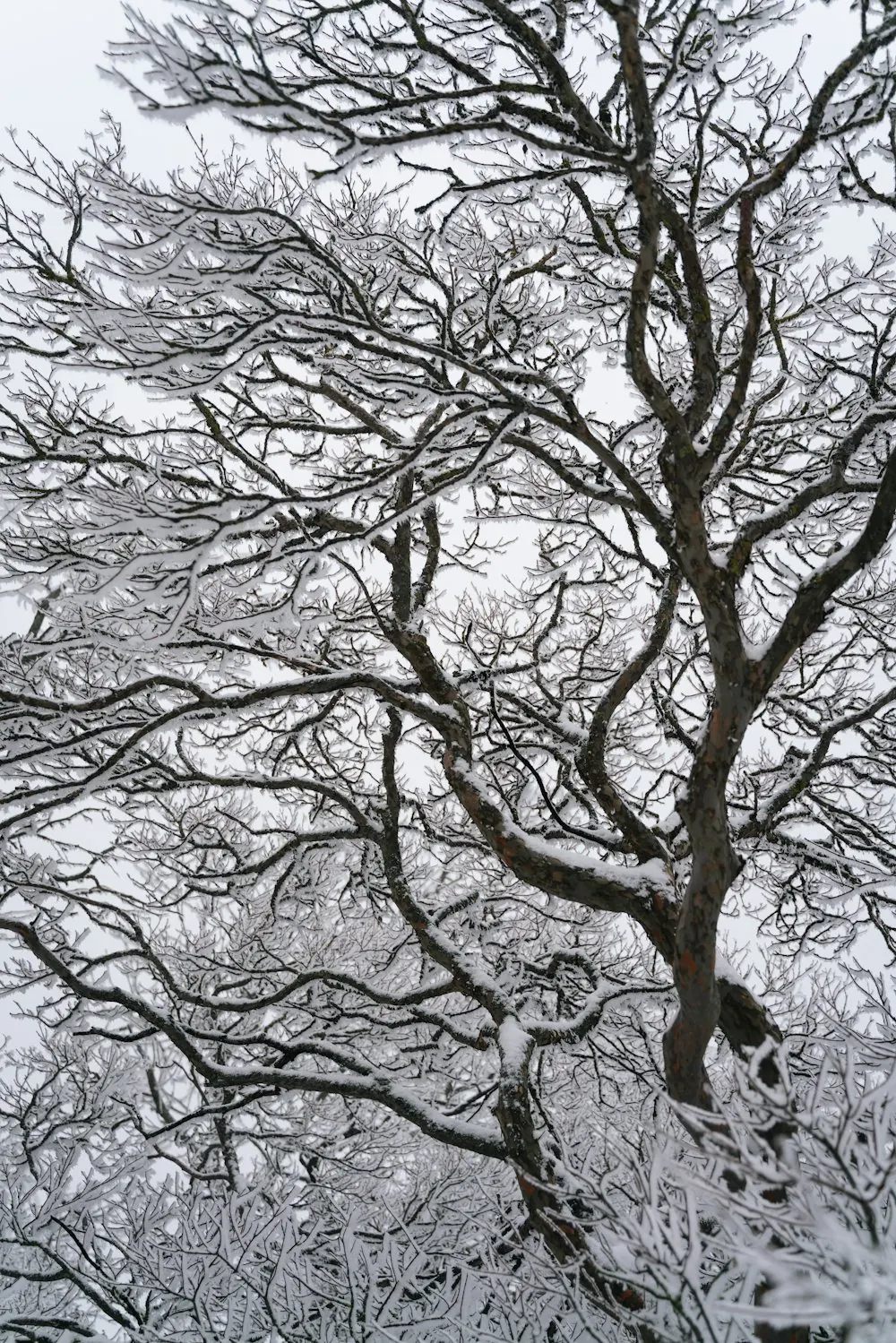
A glaze of ice coats every twig, adding heavy weight that can split brittle, dormant wood.
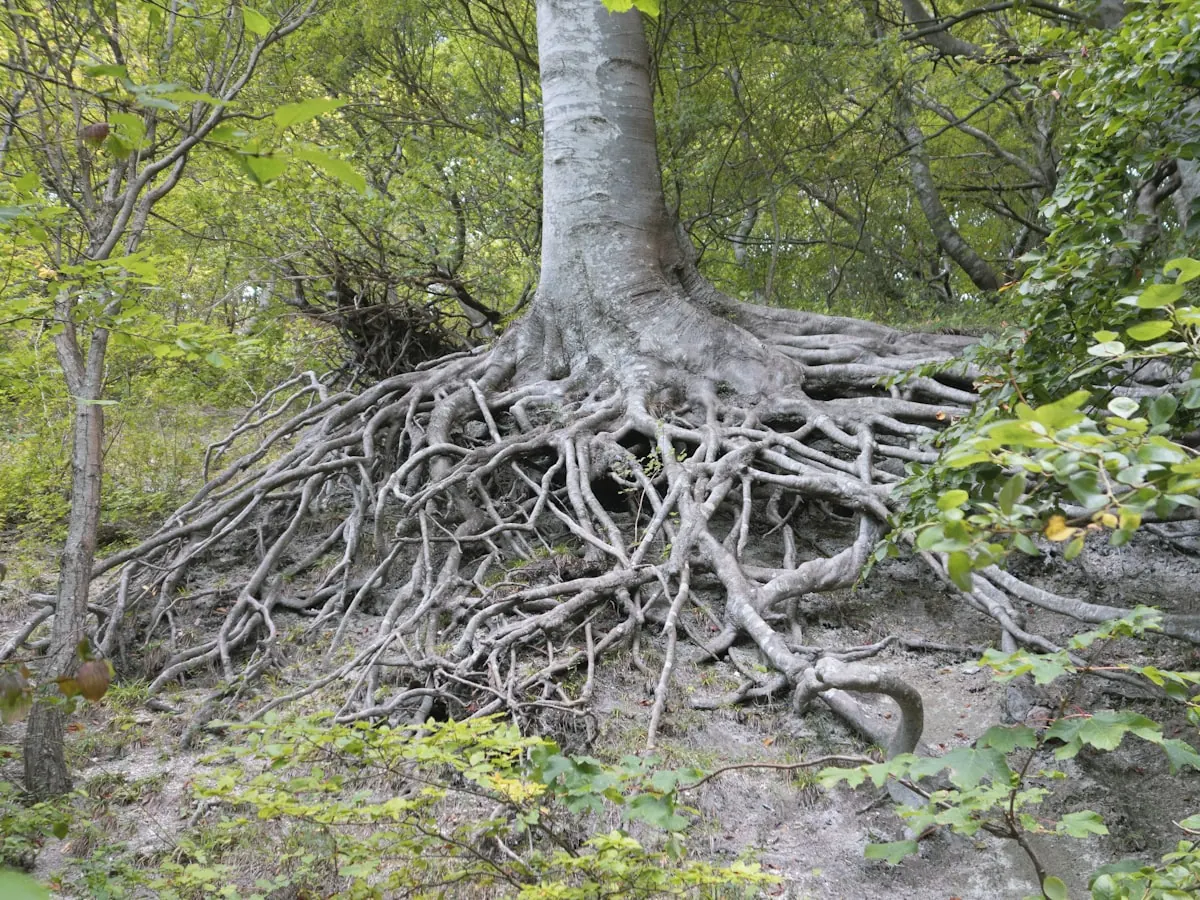
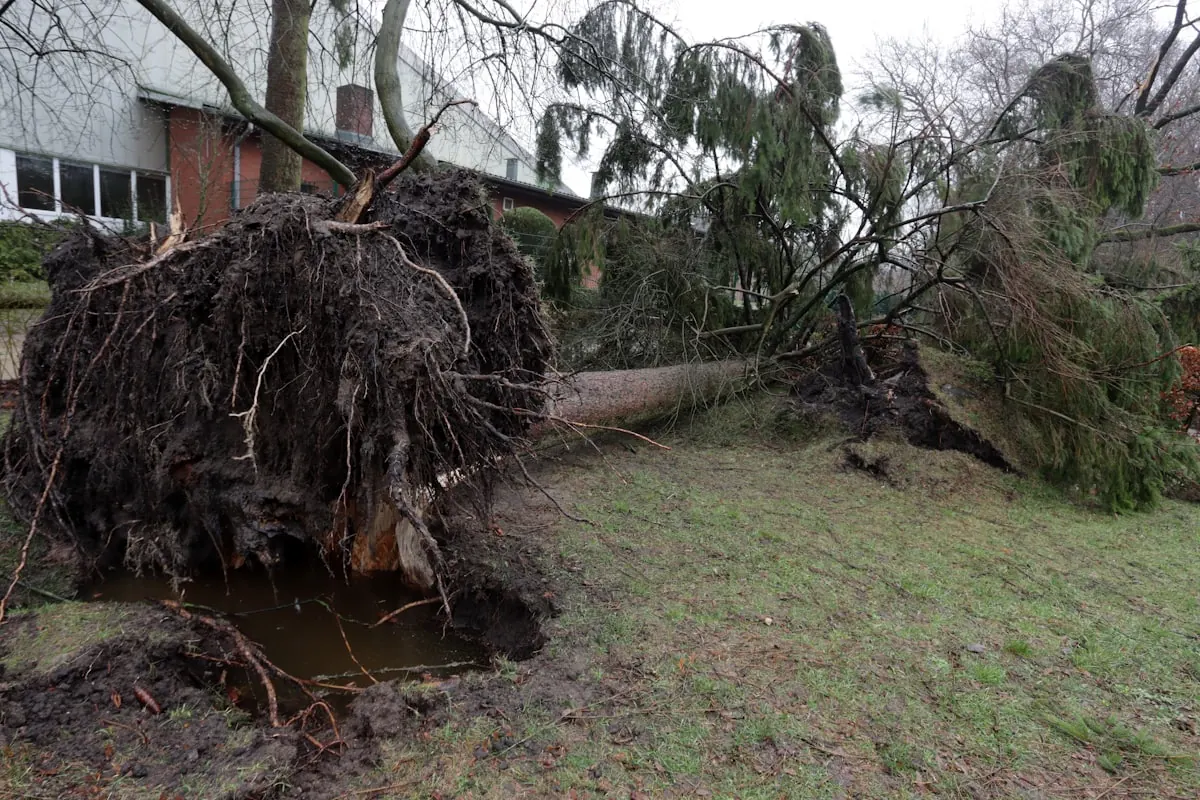
Waterlogged ground loosens roots, so trees lean and topple in wind.
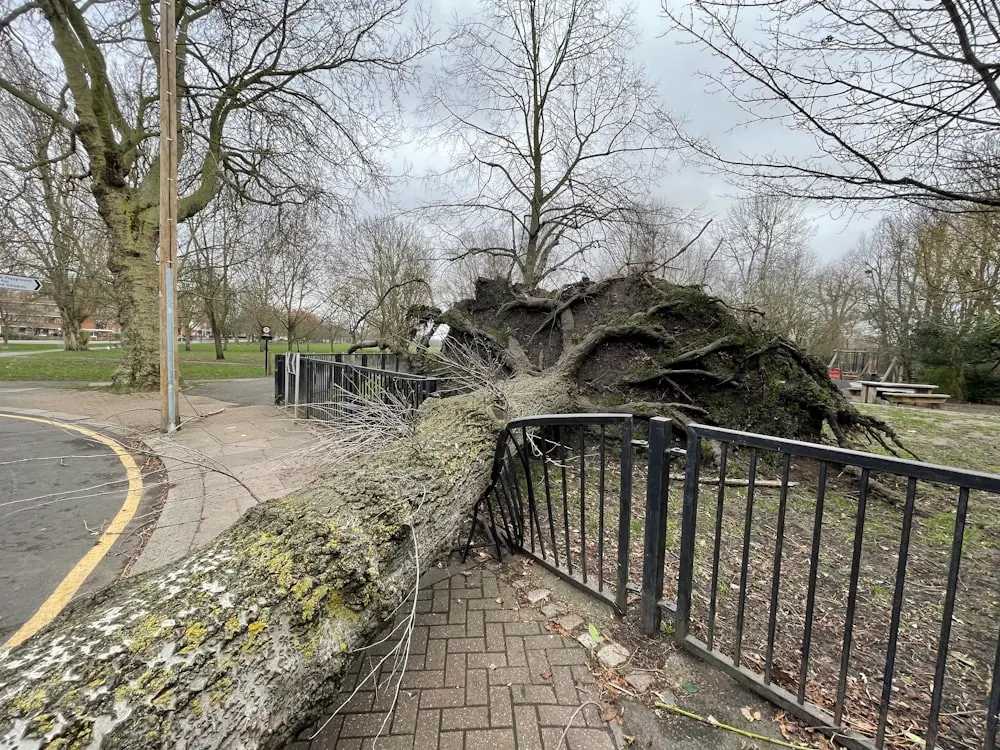
Tops and limbs snapped off by strong wind, ice or heavy snow.
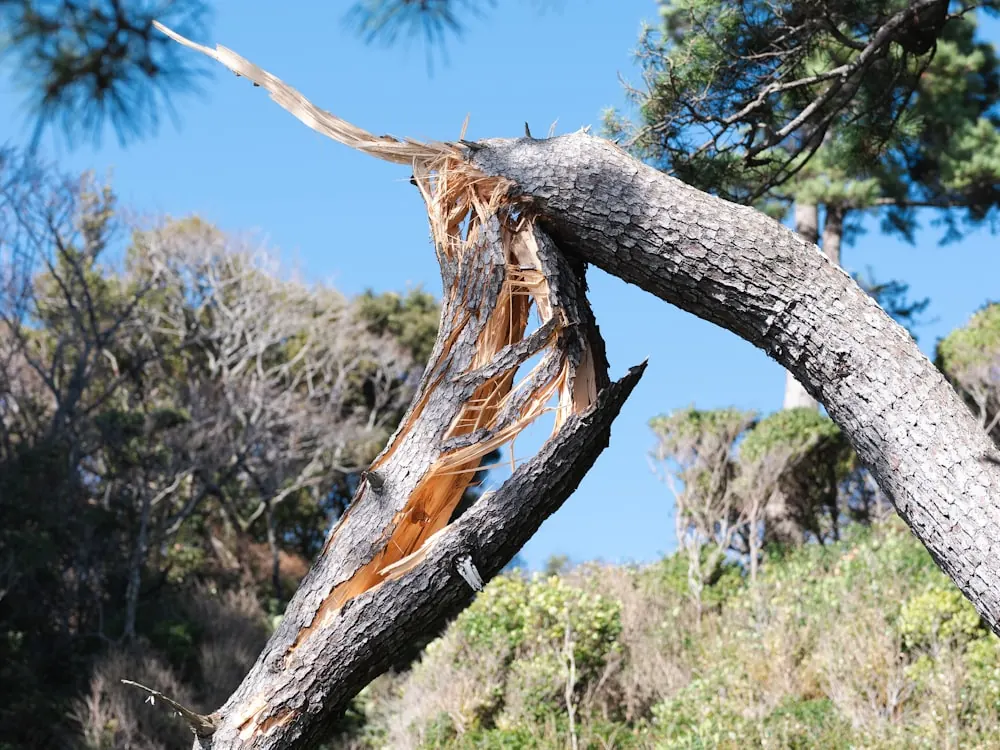
Snapped and hanging limbs, the most common winter-storm damage.
Tree emergency?
24/7 emergency tree service, year-round, with a 60-minute average response
Before you call us: Never touch a tree that is touching a power line. The utility must cut the power or clear the line before any crew can work on it. Stay clear of the tree and the line, and keep others away.
Where we work
We're based in Wilmington and prepare trees for storms throughout New Castle, Kent and Sussex counties. Each county faces different weather, so we plan storm prep around it.
Ice and wet-snow prep for mature oaks and tulip poplars, with weight reduction over roofs and driveways in older neighborhoods.
Wind prep for windbreaks, hedgerows and yard trees standing exposed on open, flat ground.
Hurricane and nor’easter prep for loblolly pines and shade trees near homes, where sandy soil can let trees go over at the roots.
How it works
From your first call to storm-ready trees, with a written quote before any work starts.
Call (302) 702-0736 or use our contact form. The storm prep estimate is free, with no obligation.
One of our tree experts walks your property and finds the trees and limbs most likely to fail in a storm.
Within 24 hours you get a written quote listing the pruning, cabling or removals we recommend, and when.
Our crew does the work before the season hits, then chips the branches and cleans up.
More of what we do
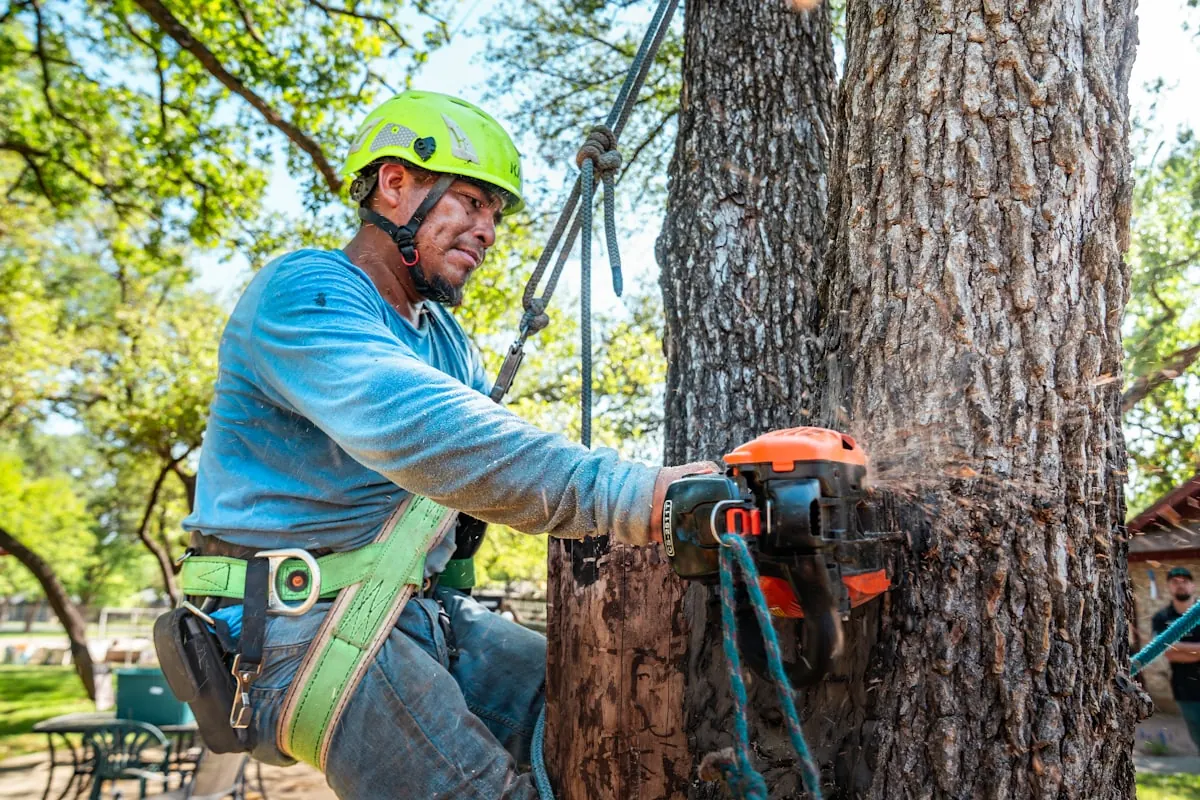


Google reviews
The crew arrived on time, took down a large oak leaning over the garage, and left the yard spotless. Clear written quote up front, no surprises. Highly recommend.
They handled the City permit for a street tree so I did not have to, explained every step, and the price was fair. Professional from start to finish. Would absolutely use again.
A storm dropped a limb across the driveway overnight. They answered right away and had it cleared the same day, and were careful working around the power line. Lifesavers.
Someone actually came and looked at the tree instead of quoting over the phone. Honest assessment. He recommended pruning rather than removal and saved us a lot of money.
Stump grinding and full cleanup were both included in the written scope, no add-ons at the end. Insured, tidy, and right on schedule. Great experience overall.
Great communication from the first call to the final walkthrough. They protected the lawn and beds, hauled everything away, and the yard looked better than before. Five stars.
Questions
Have dead, cracked and overextended limbs removed before the first ice storm, since ice adds a lot of weight to a weak branch. Have co-dominant stems checked and, where needed, cabled. Water evergreens deeply in late fall, mulch the root zone, and wrap young thin-barked trees. Late fall is also the right time for dormant pruning on oaks.
Trees native to Delaware are adapted to our winters and handle normal cold without trouble. The damage comes from sudden drops after a warm spell, when trees haven't hardened off, and from freeze-thaw cycles that split bark on young trees. Ice is the bigger threat in our area: glaze on branches causes far more storm breakage than low temperatures do.
It's a planting guideline for tree diversity: no more than 10% of trees from one species, 20% from one genus and 30% from one family. The point is resilience. Emerald Ash Borer has killed many ash trees in Delaware, which shows the risk of planting one species. When you replace a tree, pick something different from what's next door.
Avoid fast-growing, weak-wooded trees like Bradford pear and silver maple near a house, since they break in storms. Also avoid species with aggressive roots near foundations and pipes, such as willows. Keep large shade trees well back from the roof, and never plant anything tall under power lines. Smaller species like dogwood or redbud are safer choices close to a building, and weak-wooded trees are the first to split under ice.
Use frost cloth or an old bedsheet draped over the tree to the ground, so it traps heat rising from the soil. Don't use plastic touching the leaves or blossoms, since it conducts cold. Cover in the evening and remove it the next morning once temperatures rise. Ice and wet snow can still snap limbs on a covered tree, so prune weak limbs in the dormant season.
Same-day response, a written quote within 24 hours and no obligation. We prepare trees for storm season at homes and businesses in every Delaware county.