
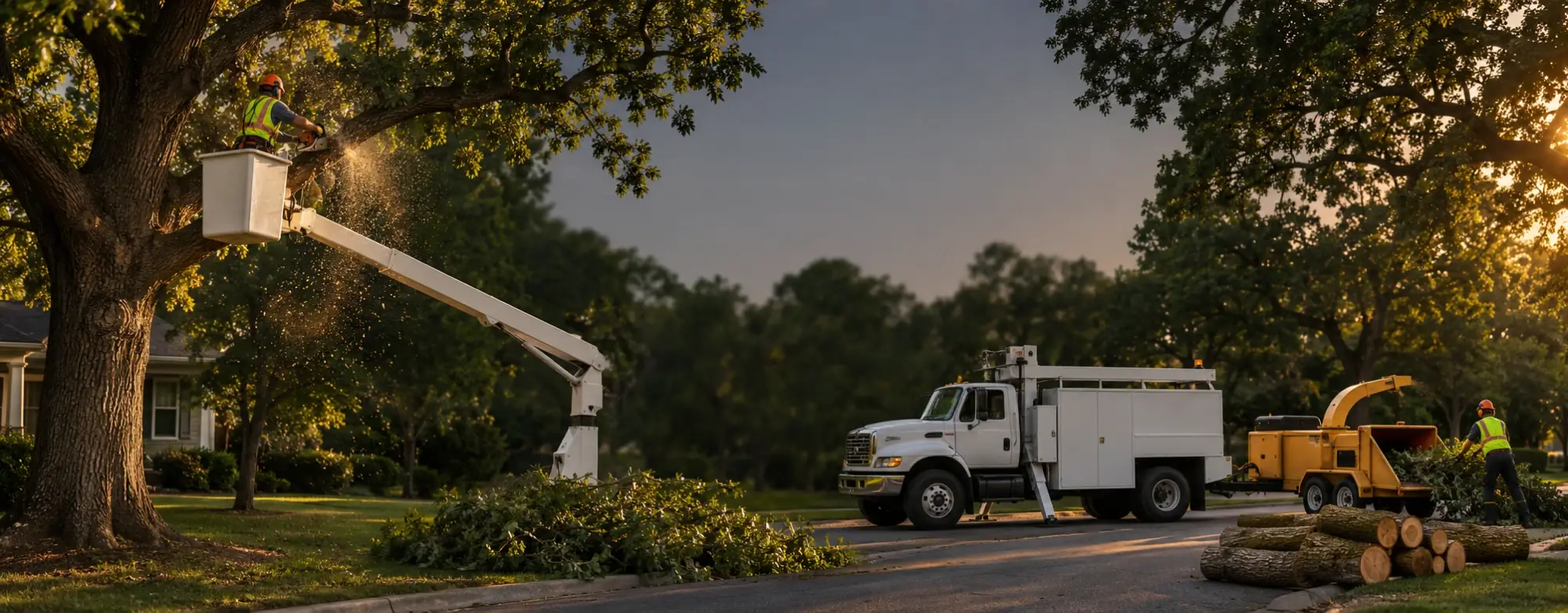
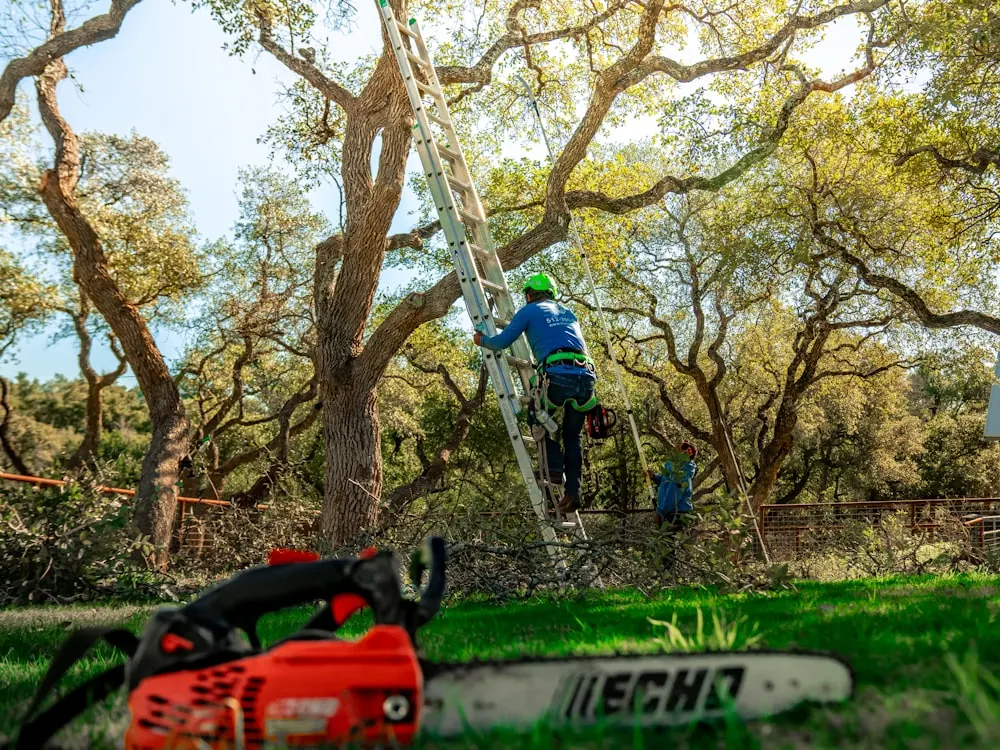
Residential Tree Trimming
Shaping and thinning the trees around your home for light, clearance and long-term health.

Professional tree trimming and pruning across Delaware by our insured tree experts, with oaks pruned only in the dormant season.
5.0 on GoogleAbout us
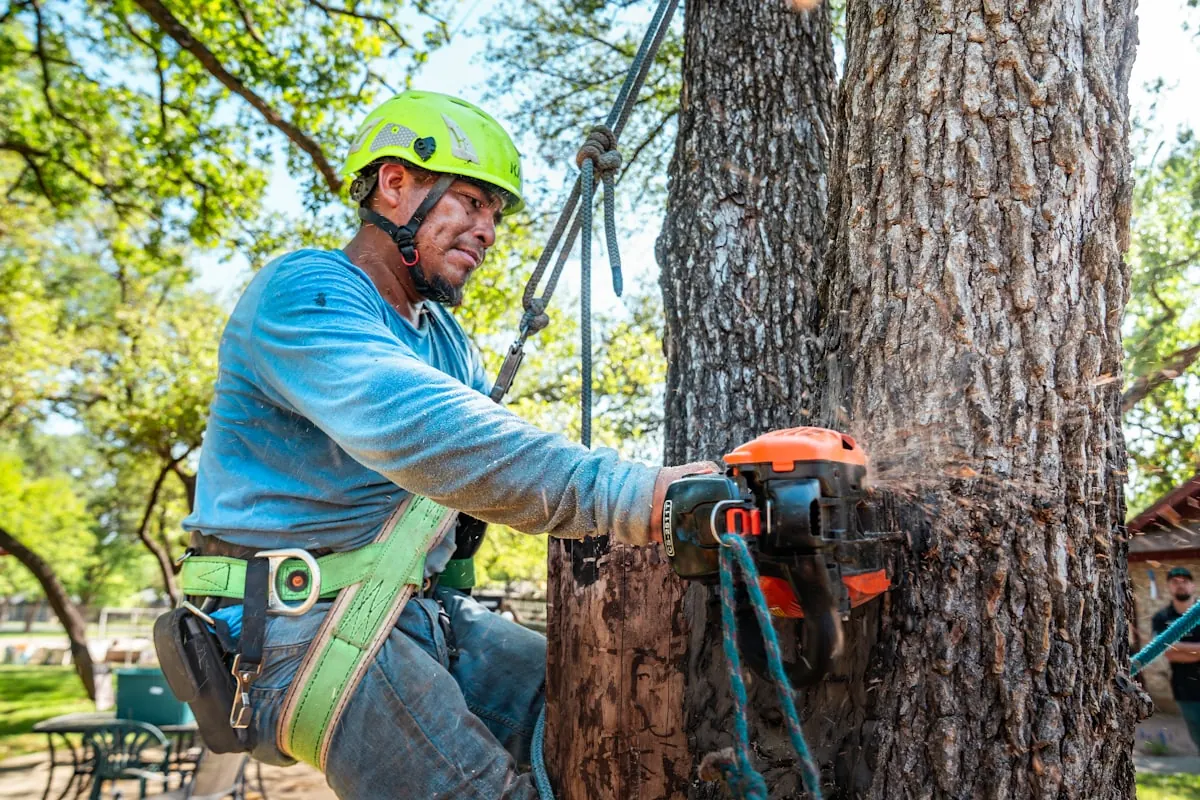
We trim and prune trees for homeowners, HOAs and businesses across Delaware, from a single limb over the roof to a full crown reduction on a mature oak. Our tree experts plan every job, so the cuts help the tree instead of weakening it.
We cut back to healthy growth points and never top trees. Oaks are pruned in the dormant season to reduce the risk of oak wilt, and street trees in Wilmington are checked against the City’s pruning rules before we start.
Learn More About Us
What we do
A single overhanging limb or a full seasonal plan: these are the trimming and pruning services we offer to homes and businesses statewide.
Shaping and thinning the trees around your home for light, clearance and long-term health.
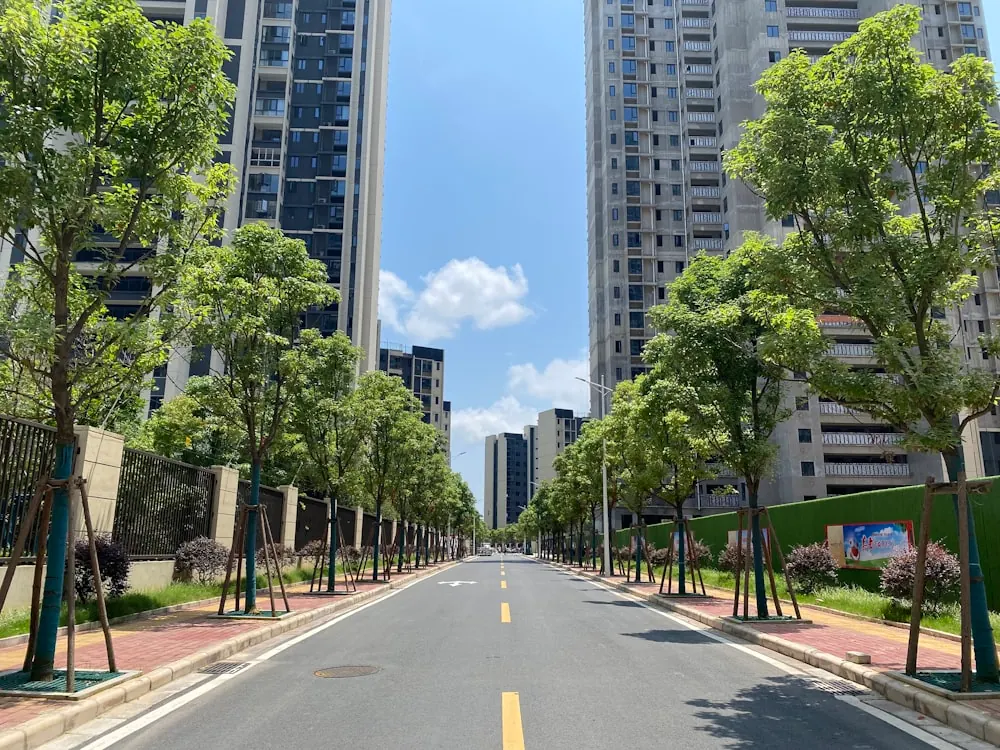
Scheduled trimming for offices, HOAs and retail, with clearance over parking lots and walkways on your schedule.
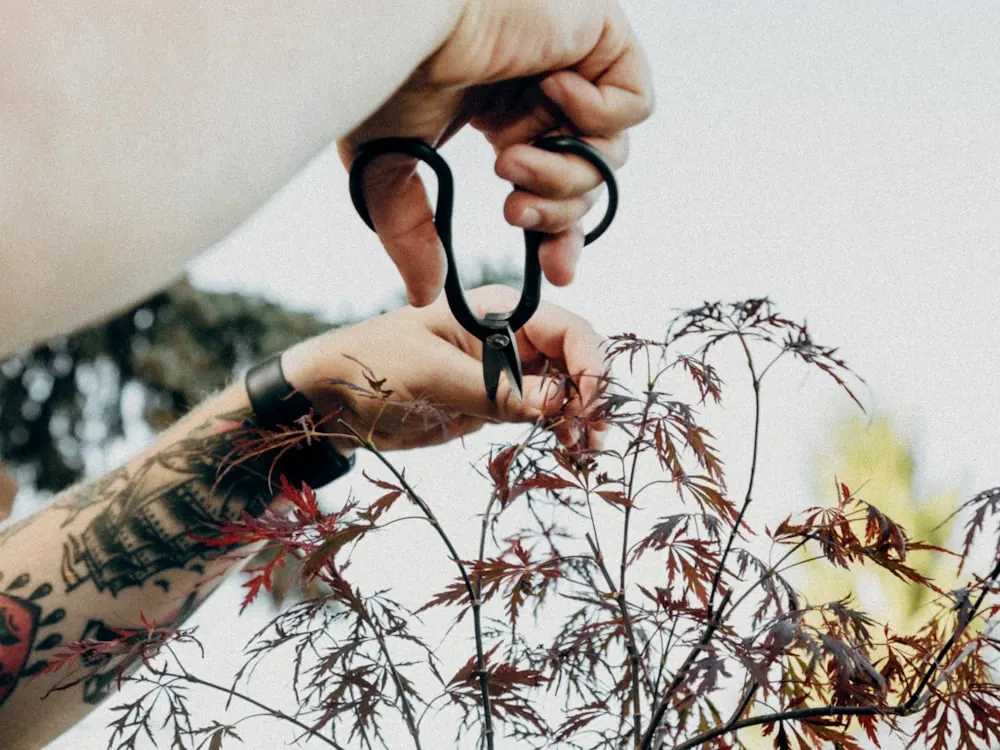
Targeted cuts at the right point, so the tree can close over the wound and stay structurally sound.

Selective interior cuts that let light and wind through, easing load without changing the shape.
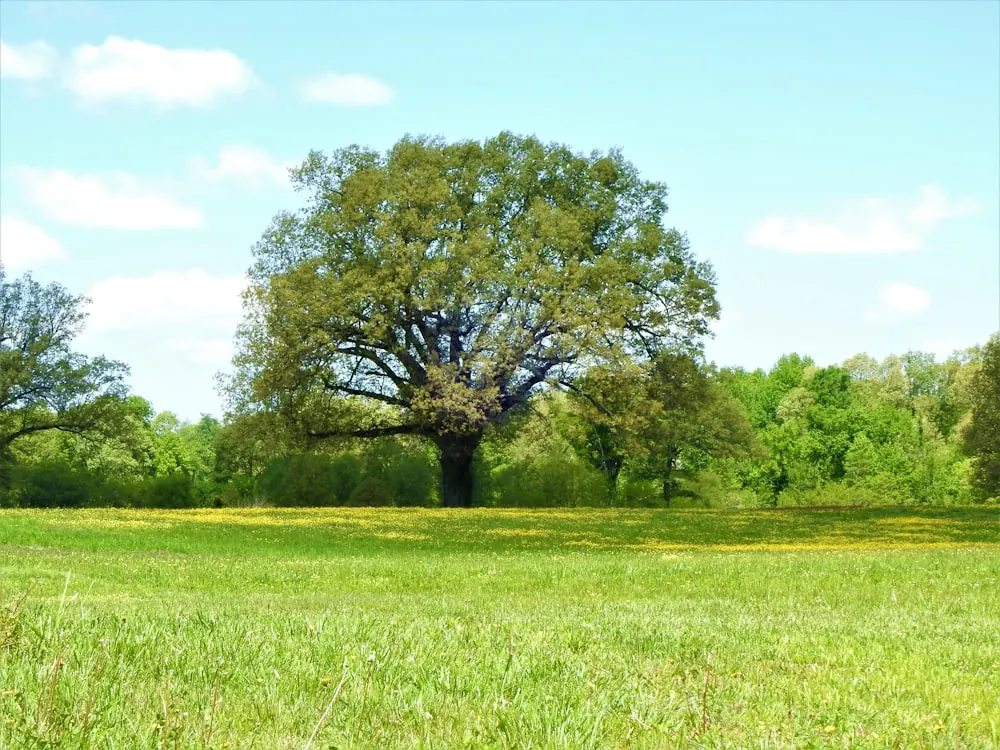
Lifting the lower canopy to clear roofs, walkways, signs and driveways while keeping balance.

Shortening the crown back to healthy growth points to cut weight and wind load, never topping.
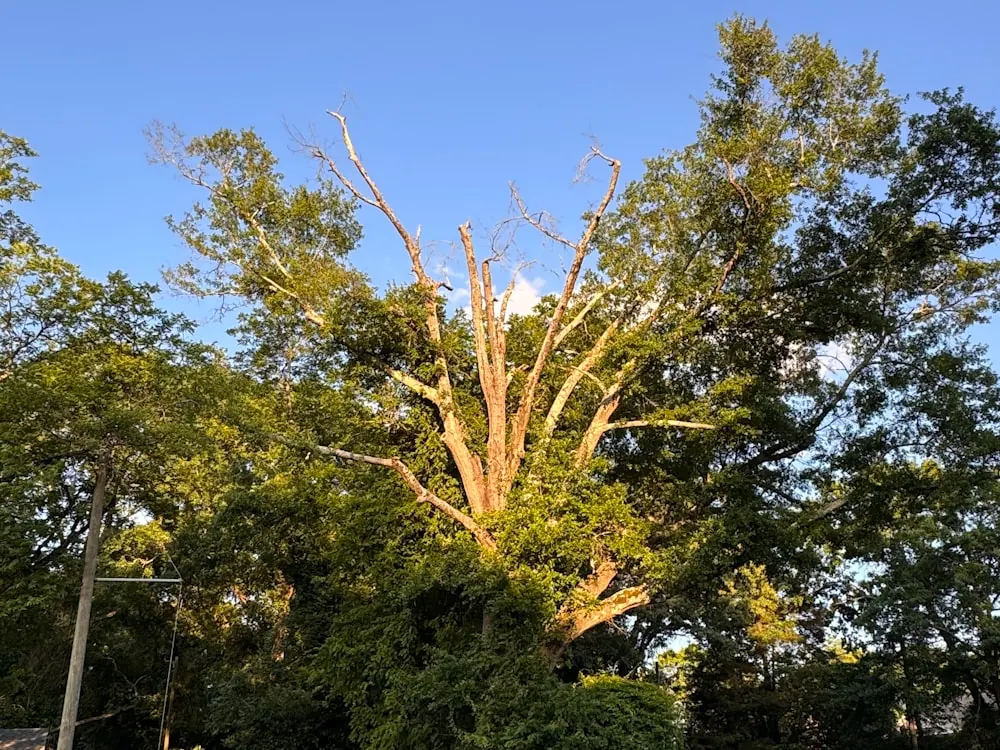
Taking out dead, dying and broken limbs before they drop. It’s safer below and better for the tree.
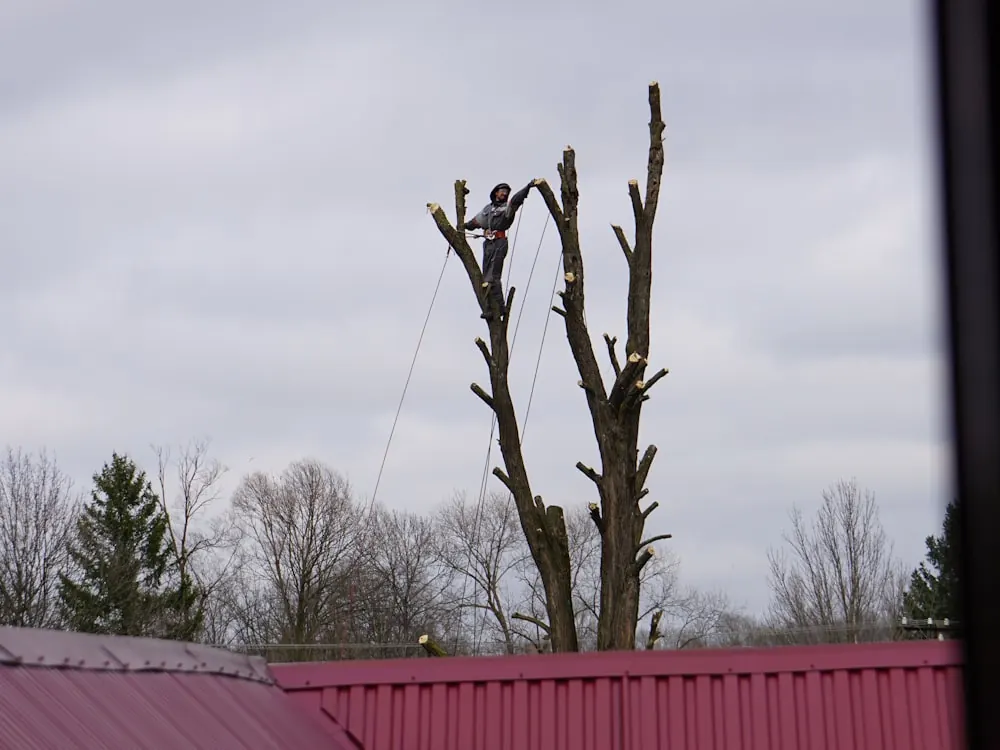
Rigging down heavy, split or overhanging limbs in controlled pieces, never onto what is below.

Fine, careful shaping of maples, dogwoods and other specimens to keep form without stress.
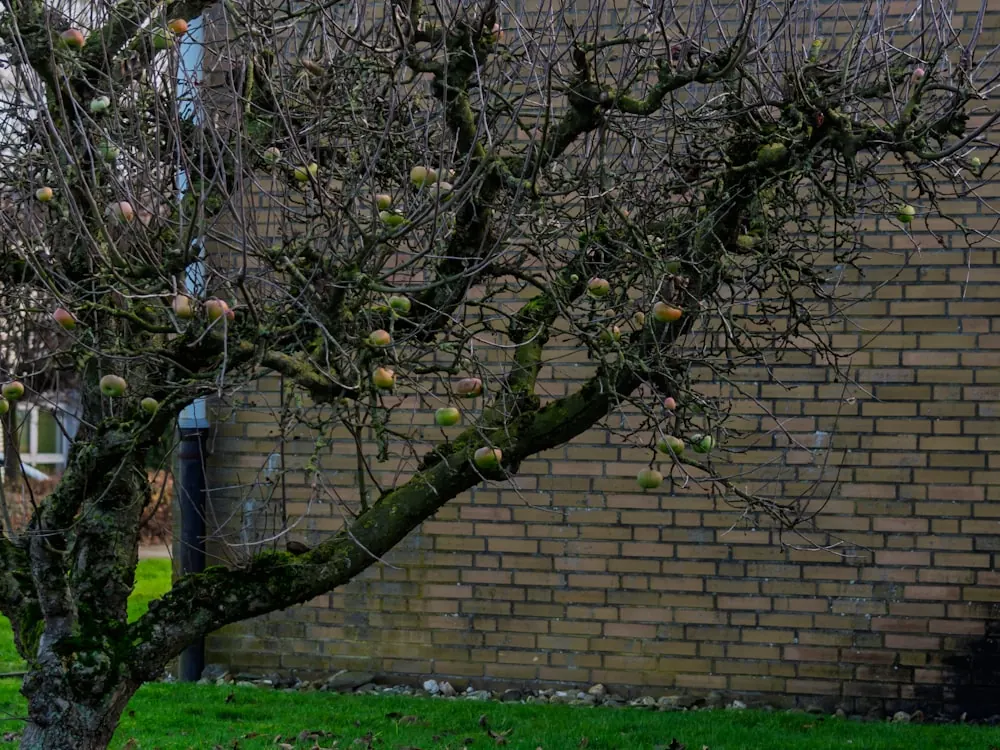
Dormant-season pruning that opens the canopy for airflow and light, and sets up a better crop.
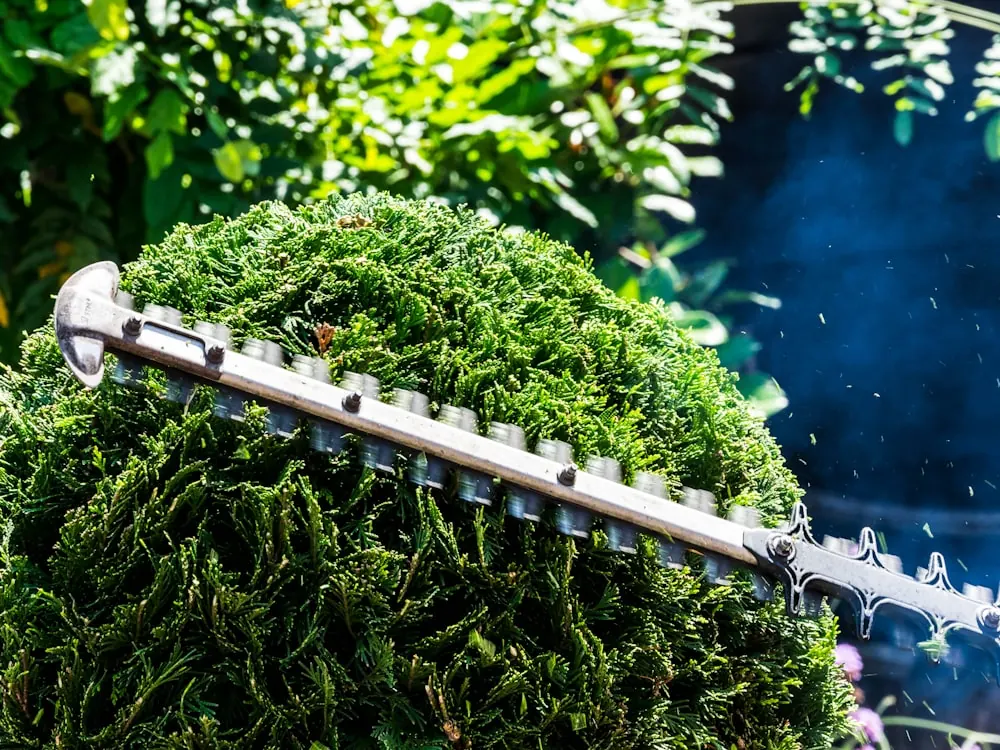
Crisp, even shaping of hedges and shrubs to keep lines sharp and growth dense.

A trimming plan for the whole year: structural work while trees are dormant, clearance and cleanup in season.
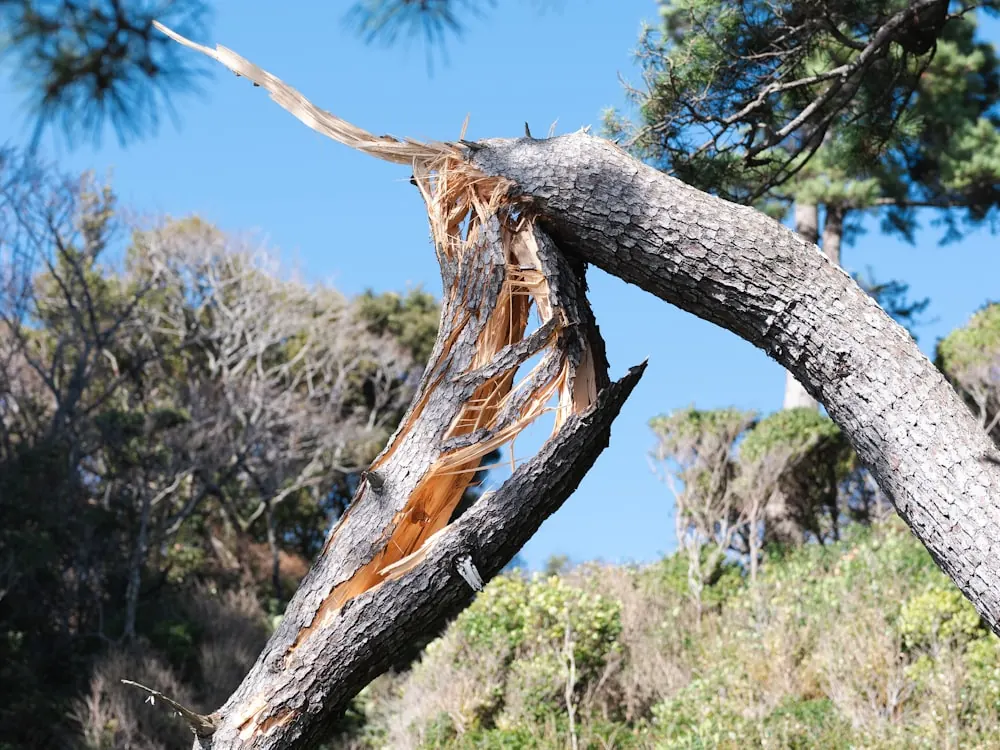
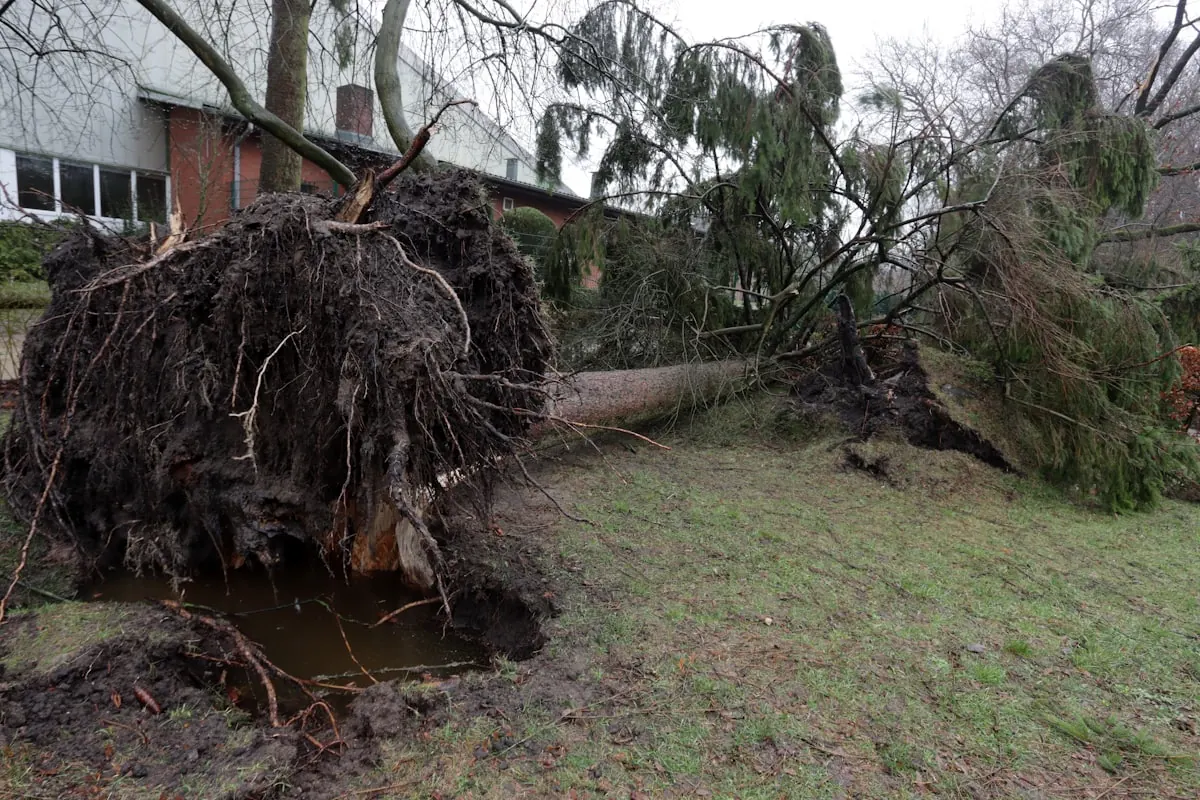
Fast clearance of storm-broken and hanging limbs, any time, to make the site safe again.
The case for pruning
Regular pruning keeps a tree healthier, safer and standing longer, and it heads off problems before they turn into removals.
Regular, correct cuts keep a tree vigorous and better able to fight off pests and disease.
Directing growth to strong limbs builds a stronger, better-structured tree over time.
Clearing dead and infected wood stops decay and disease from spreading through the canopy.
Thinning and reducing weight lets wind pass through, so fewer limbs fail in a blow.
Opening the canopy lets light and air reach the inside of the tree and the lawn below.
A well-shaped tree improves the look of the whole property.
Clearing weak and overhanging limbs keeps them off roofs, cars and gutters.
Managed growth keeps limbs clear of siding, fences, sheds and neighboring buildings.
Sound pruning early prevents the structural defects that shorten a tree's life.
Know when to call
Trees rarely fail without warning. Watch for these everyday signs that it's time to book a trim.
Timing it right
Most structural pruning is best done in the dormant season. Here's how each part of the Delaware year works for tree trimming.

Light shaping and deadwood removal only as trees leaf out. We hold off on oaks to reduce the risk of oak wilt.

Good for clearance, deadwooding and small corrective cuts once new growth has hardened off. Oaks wait for the dormant season unless a limb is hazardous.

Early fall is for light work and clearing hazards before winter storms. Major structural cuts wait until late fall, once trees go dormant.

The best window for most structural work: dormant, leafless, low disease pressure, structure easy to read.
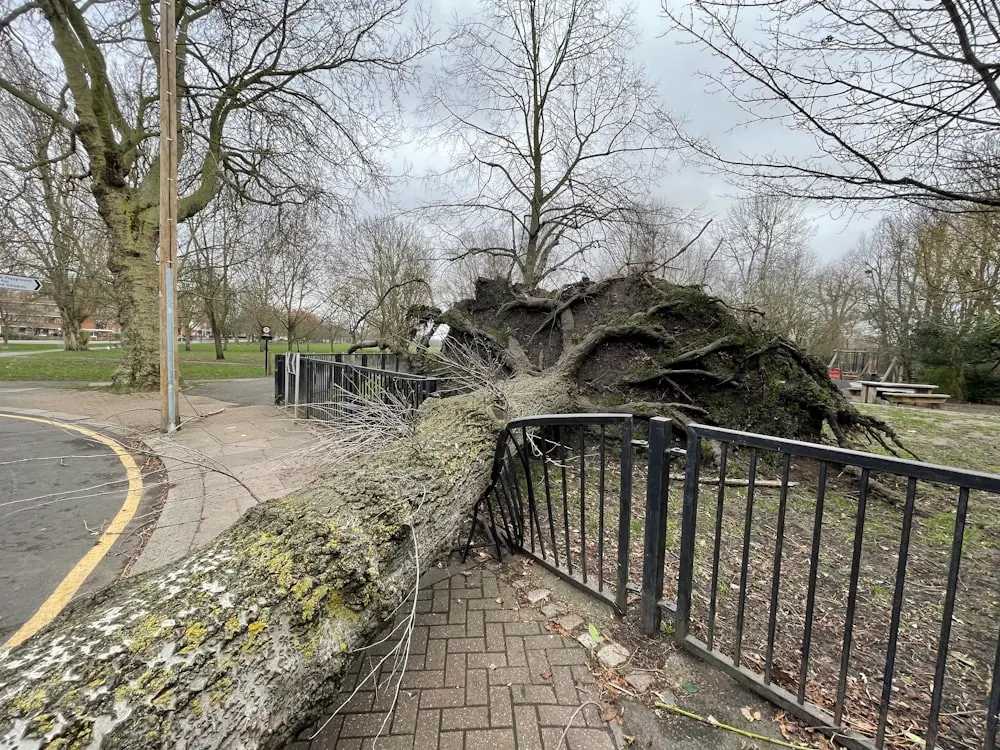
Any time of year, broken and hanging limbs are cleared right away to make the site safe.
Where we work
We're based in Wilmington and trim and prune trees throughout New Castle, Kent and Sussex counties. Tree species, soils and storm risks change from county to county, and so does the pruning plan.
Crown reduction and clearance pruning on mature oaks and tulip poplars, with street-tree rules in Wilmington, New Castle and Newark.
Trimming for windbreaks, hedgerows and yard trees that take the full force of wind on open, flat ground.
Pruning loblolly pines and shade trees near homes, with weight reduction on pines before hurricane season.
How it works
Four simple steps from your first call to a well-pruned tree, with a written quote before any work starts.
Call (302) 702-0736 or use our contact form. The tree trimming estimate is free, with no obligation.
One of our tree experts looks at the tree’s health and structure and what its limbs hang over.
Within 24 hours you get a written quote listing the cuts we recommend and the best time to make them.
We make the cuts, chip the branches and leave your yard clean when the job is done.
More of what we do



Google reviews
The crew arrived on time, took down a large oak leaning over the garage, and left the yard spotless. Clear written quote up front, no surprises. Highly recommend.
They handled the City permit for a street tree so I did not have to, explained every step, and the price was fair. Professional from start to finish. Would absolutely use again.
A storm dropped a limb across the driveway overnight. They answered right away and had it cleared the same day, and were careful working around the power line. Lifesavers.
Someone actually came and looked at the tree instead of quoting over the phone. Honest assessment. He recommended pruning rather than removal and saved us a lot of money.
Stump grinding and full cleanup were both included in the written scope, no add-ons at the end. Insured, tidy, and right on schedule. Great experience overall.
Great communication from the first call to the final walkthrough. They protected the lawn and beds, hauled everything away, and the yard looked better than before. Five stars.
Questions
Trimming cost comes down to how much work the tree needs and how hard it is to reach. A light clearance prune on a small tree is quick; crown reduction or deadwooding on a mature oak over a roof takes a climber most of a day. In Wilmington, larger cuts on regulated street trees may need City approval first. We quote in writing after seeing the tree.
In Delaware, avoid pruning oaks from roughly April through July. Fresh cuts in the growing season attract the beetles that spread oak wilt, so we schedule oaks into the dormant window, about November through March. Many other species are also best pruned while dormant. Dead, broken or hazardous limbs are the exception: those can come off any time of year.
Trimming is usually cheaper in the short term, and a healthy tree is worth keeping. But if the problem is in the trunk, the roots or a failing union, no amount of pruning will fix it, and you'd be paying to trim a tree that still has to come down. One of our tree experts can tell you which case you're in before you spend anything.
In most cases, the person who wants the branches trimmed pays. You can generally cut branches back to your property line, but not in a way that kills or damages the tree, and not from your neighbor's side without permission. If the tree is on a Wilmington street frontage, it may be a regulated street tree, so check before anyone cuts.
We don't offer free trimming, but some costs can land elsewhere. Utilities trim trees growing into their lines, and the City of Wilmington is responsible for some street trees. Your county or local senior center may know of assistance programs. If you're on a fixed budget, ask us which pruning is urgent and which can wait. The estimate is free.
Same-day response, a written quote within 24 hours and no obligation. We trim and prune trees for homes and businesses in every Delaware county.